
SLPs: The End of Paper Homework? Engage Patients Digitally.
How Speech & Cognitive Therapists Can Use Daily Brain Coach for Homework
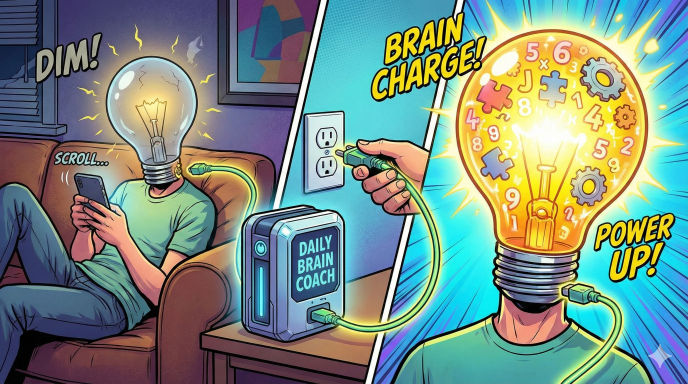
Every Speech-Language Pathologist (SLP) knows the struggle: you have a breakthrough session in the clinic, you assign paper worksheets for homework to reinforce the skill, and... they sit in the patient's folder until next week.
Home practice is critical for neuroplasticity, but adherence is often low. Digital homework works better, but full clinical rehab apps can be pricey for patients to download on their own devices.
Cognitive Training Tools for Therapists: Daily Brain Coach Guide
Lessons from the Big Players
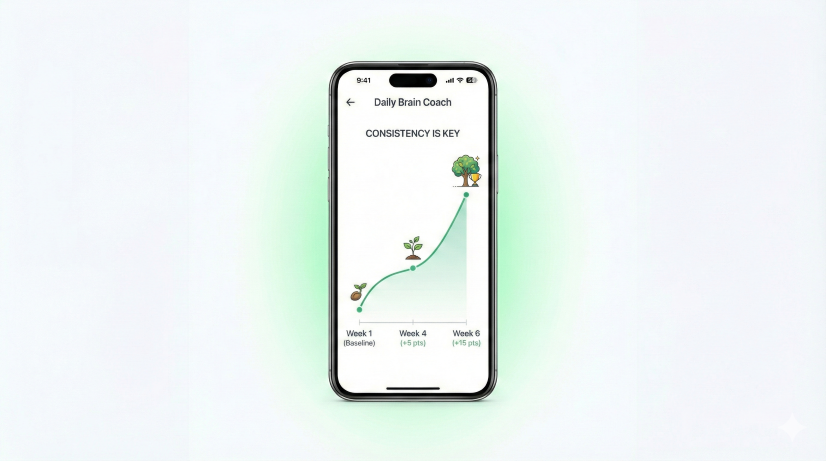
Apps like Constant Therapy have proven that gamified home practice significantly improves outcomes. The key ingredients are consistency, immediate feedback, and accessibility.
A Practical Homework Pattern with Daily Brain Coach
You can use Daily Brain Coach as a low-cost, high-engagement homework tool without the need for a complex clinician login setup.
1. The Prescription
Instead of a worksheet, prescribe a "Playlist": "I want you to play the 'Symbol Match' (for attention) and 'Sequence' (for working memory) games 3 times this week."
2. The Execution
The patient plays for 10-15 minutes at home.
- Adherence: It's on their phone, it sends gentle reminders, and it's actually fun.
- Tech-Friendly: The interface is designed for seniors, so you won't spend your next session doing IT support.
3. The Review
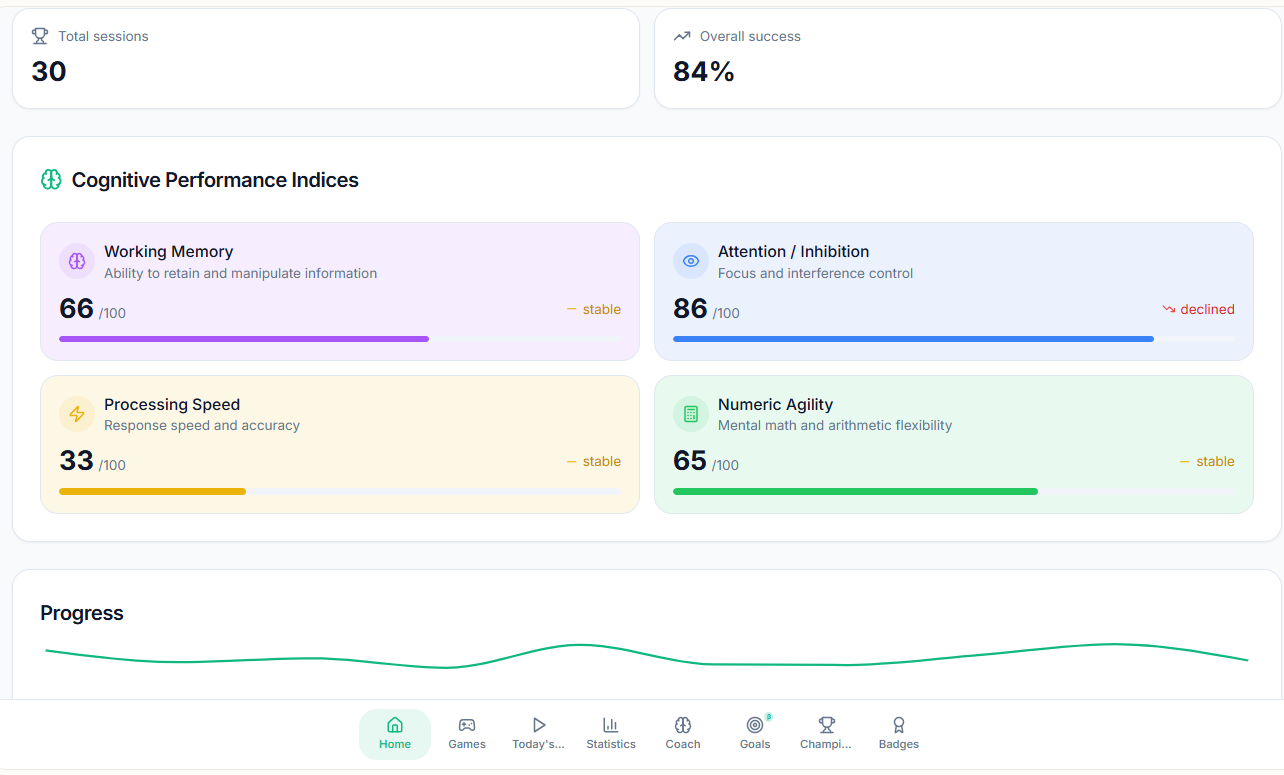
In your next session, ask the patient to open the app and show you their "Stats" screen.
- Clinician: "I see your accuracy on visual memory went up this week. How did that feel?"
For more on using brain games in caregiving contexts, explore our 10 brain games for seniors guide.
It creates a positive feedback loop and gives you objective data on their engagement level between visits.
Why Digital Homework Works Better Than Paper
Home practice is critical for neuroplasticity, but paper worksheet adherence is notoriously low. Research consistently shows that gamified digital homework outperforms paper for engagement and consistency.
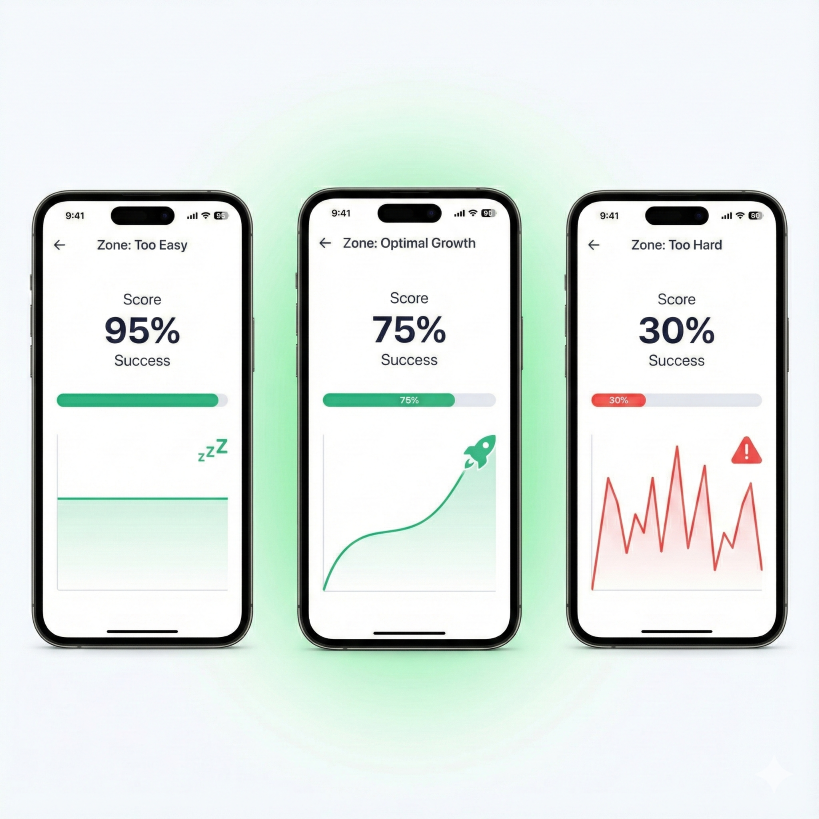
The three key ingredients are: immediate feedback, accessibility (phone-based), and adaptive difficulty. Daily Brain Coach provides all three.
The Cognitive Domains Most Relevant for SLP Homework
| SLP target | Cognitive domain | Daily Brain Coach exercise |
|---|---|---|
| Attention & executive function | Inhibition control | Stroop Test |
| Working memory | Verbal/visual WM | N-Back, Letter Memory |
| Processing speed | Visual scan speed | Word Search |
| Numeric reasoning | Calculation under pressure | Mental math tasks |
Each session produces a cognitive indices report that patients can show at the next visit — concrete data on what they practiced and how they performed.
Practical Protocol: 3 Steps
1. Prescribe: At the end of your session, tell the patient: "Play the Symbol Search and Sequence games 3 times this week — 5 minutes each."
2. Execute: Patient plays on phone or tablet. Interface is designed for 60+ users — large buttons, no cluttered menus.
3. Review: At the next visit, open the cognitive indices together. Discuss: "Your attention index went up 8 points this week — what did you notice at home?"
This loop builds therapeutic alliance and gives you objective adherence data without any clinical login setup.
Modernize your home programs. Try Daily Brain Coach free — no setup required.