
Managing Caregiver Stress & Burnout
Before you snap, take 5 minutes for yourself.
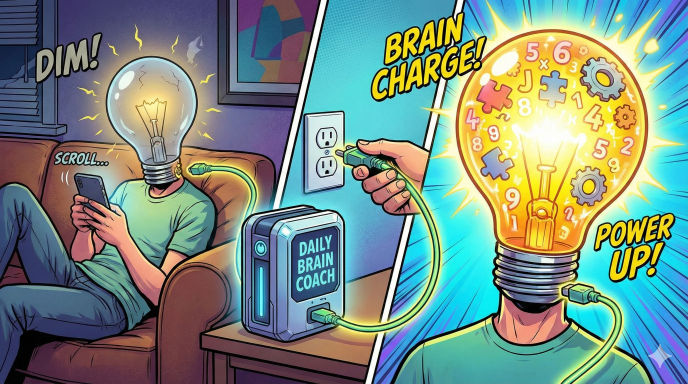
You spend your life caring for someone else's brain. But what about yours?
Chronic stress is a known risk factor for cognitive aging. Caregivers often report "brain fog," forgetfulness, and emotional exhaustion. It's time to put on your own oxygen mask first.
Cognitive Training Tools for Therapists: Daily Brain Coach Guide
The Science of Caregiver Resilience
Did you know that brain training isn't just for seniors? A landmark study using BrainHQ found that dementia caregivers who used cognitive training exercises significantly improved their processing speed, attention, and even reported lower levels of depressive symptoms and stress. The benefits persisted for months after training stopped.
Why? Because a sharper brain feels more in control. When your processing speed is high, you handle unexpected crises (like a spilled medication or a missed appointment) with less panic.
How to Use Daily Brain Coach for YOU
You don't need an hour. You need a micro-break that shifts your brain from "worry mode" to "focus mode."
- The "Reset" Session: 5 minutes of high-intensity visual processing games (like our Symbol Search or Stroop games). This forces your brain to be present, acting like active meditation.
- The Goal: Feeling sharper, more in control, and less emotionally reactive to daily stressors.
Your Routine: Try a session right after your loved one goes to bed. It's your "me-time" to reclaim your mental clarity.
For practical games to play with your loved one, check out our 10 brain games for seniors guide.
The Science of Caregiver Cognitive Decline
Chronic caregiver stress is not just emotionally draining — it has measurable neurological effects.
Prolonged cortisol elevation (the stress hormone) shrinks the hippocampus over time. Studies show that caregivers have a 63% higher risk of developing dementia themselves compared to non-caregivers (Norton et al., 2010, Alzheimer's & Dementia). This is not inevitable — but it requires active counter-measures.
5 minutes of Stroop Test or N-Back forces the brain from "diffuse worry mode" into "active focus mode". This is the cognitive training equivalent of mindfulness — measurable, not just subjective.
Full Comparison: The 3 Families of Caregiver Apps
| Need | Recommended app | Daily Brain Coach |
|---|---|---|
| Medical coordination | Medisafe, CareMobi | No |
| Safety / GPS tracking | Theora Link, Elli Cares | No |
| Loved one cognitive stimulation | Constant Therapy, BrainHQ | Lightweight complement |
| Caregiver own brain training | — | Yes |
| Shared relational moment | — | Yes |
The ideal 2026 toolkit: one coordination app + one safety app + Daily Brain Coach for quality moments.
Measured Benefits for Caregivers
A clinical study using BrainHQ (similar protocol to Daily Brain Coach) on Alzheimer caregivers showed:
- Improvement in processing speed
- Reduction in self-reported depressive symptoms
- Better management of crisis situations (less emotional reactivity)
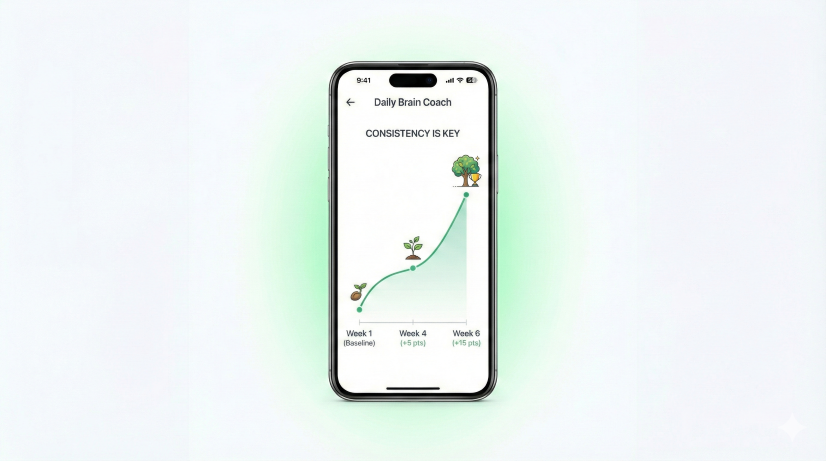
These benefits persist for months after training stops — the definition of durable neuroplasticity.
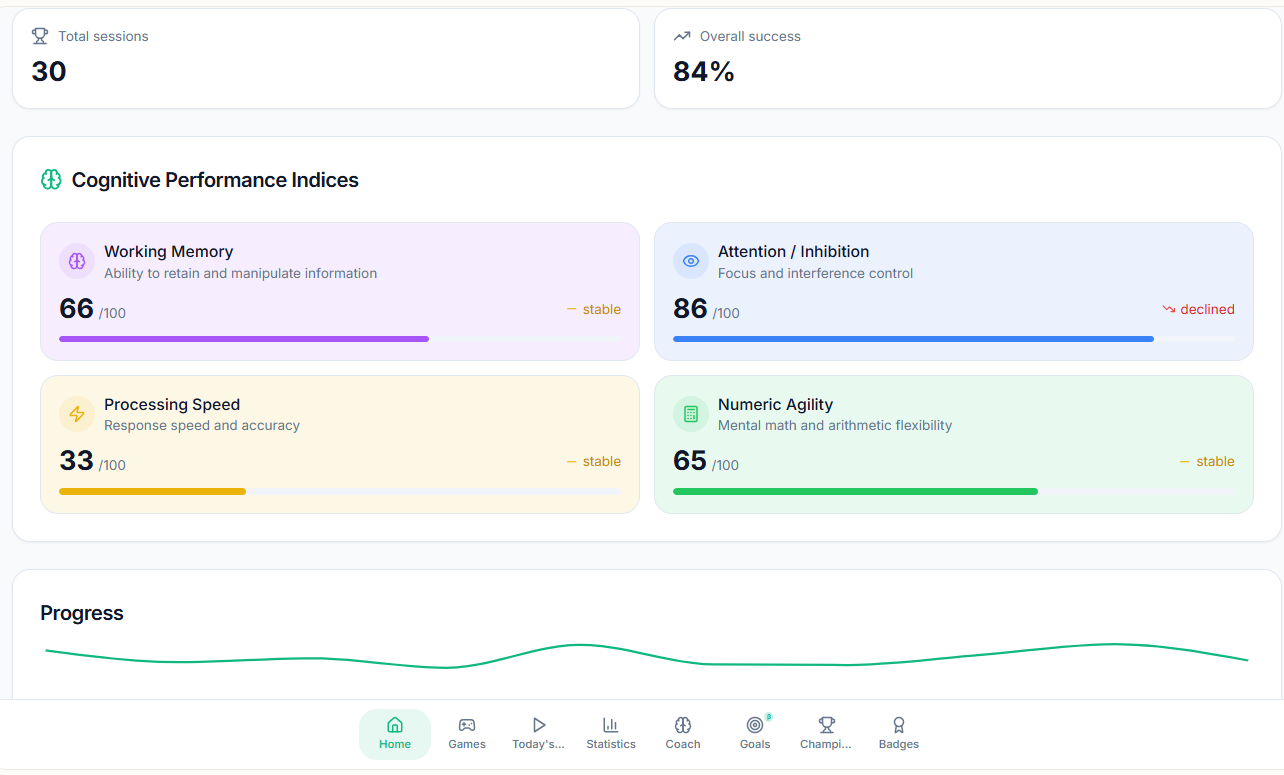
Track your own progress with cognitive indices — four objective measures after each session.
Ready to reclaim your mental edge? Free trial — no sign-up required.