
Can't Focus on Exams? The Anti-Procrastination App for Students
Stop Procrastinating: The Best Focus App for Students
You sit down to study for midterms.
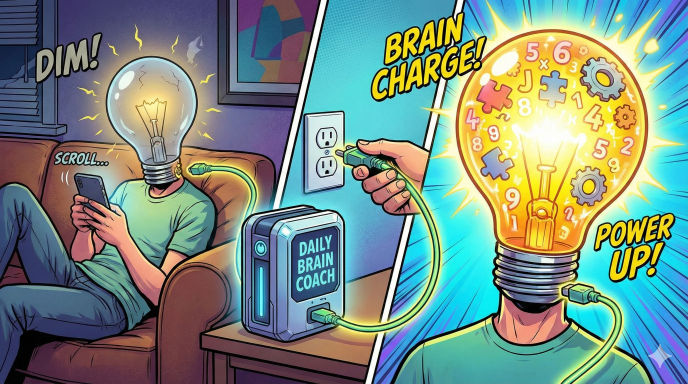
Five minutes in, your phone buzzes. Twenty minutes later, you're deep into TikTok. 📉
Did you know? Studies show it takes an average of 23 minutes to get back into "deep flow" after a single interruption. That's why hiding your phone isn't enough.
The struggle is real. For the estimated 17% of US college students dealing with ADHD symptoms, it's even harder. Check out our study focus app for students.
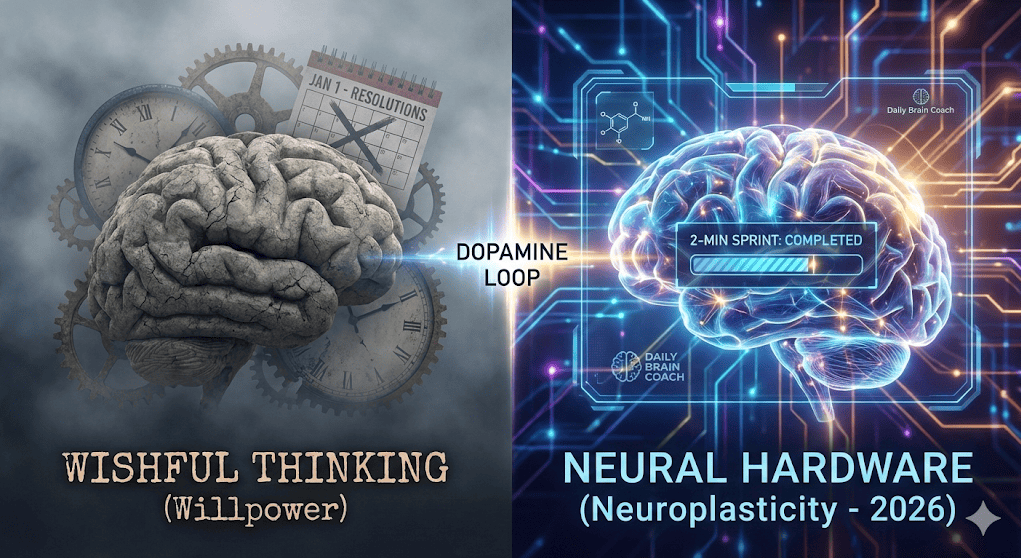
If you want to stay focused while studying, you need to train the underlying mechanics of your brain. That's where BT — Brain Training comes in. 🎯
The Science: Why Your Brain Needs a "Gym"
It's often a weakness in your "Working Memory" or your "Inhibition".
Cognitive training is physical exercise for your brain. Specific tasks like the Stroop Test are essentially like doing push-ups for your Anterior Cingulate Cortex (ACC), the part of your brain responsible for focus.
When these are weak, every distraction gets through. When they are strong, you stay locked in.
Top 7 Focus Hacks & Exercises
Think of it this way: Defensive tools (like Forest or blockers) are a shield. Daily Brain Coach is your sword. You need both to win the war on distraction.
1. The Stroop Test (The Inhibition King) 👑
The word "BLUE" is written in red ink. You have to say the color. Try our online Stroop game for students.
2. Working Memory Grids
Remember where symbols appeared briefly. Try our online symbol search exercise.
3. Mental Math Bursts ➕
Quick, simple calculations under slight time pressure. Try our free mental math game.
4. Visual Memory Scan
Finding specific items quickly in a crowded visual field.
5. Dual-Task Switching 🔀
Doing two simple cognitive tasks simultaneously.
6. Inhibition Challenges
Games designed to make you wait before you click.
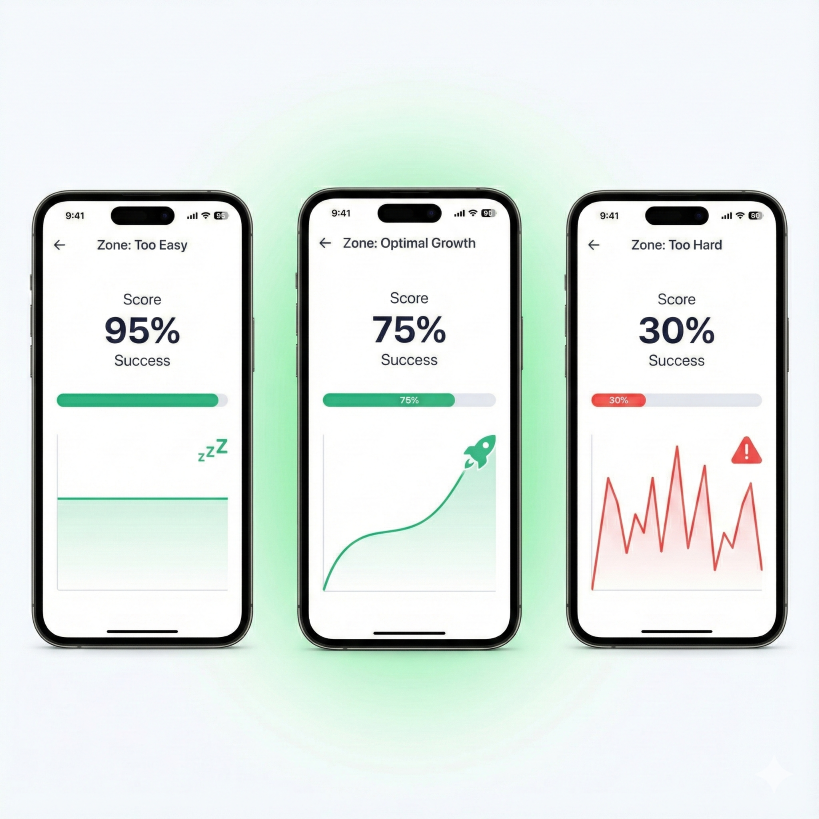
7. Adaptive Difficulty (The BT Edge)
The real gains happen in the "sweet spot."
Your New Daily Routine with BT
The Micro-Session Workflow:
- Wake Up & Coffee: Grab your phone.
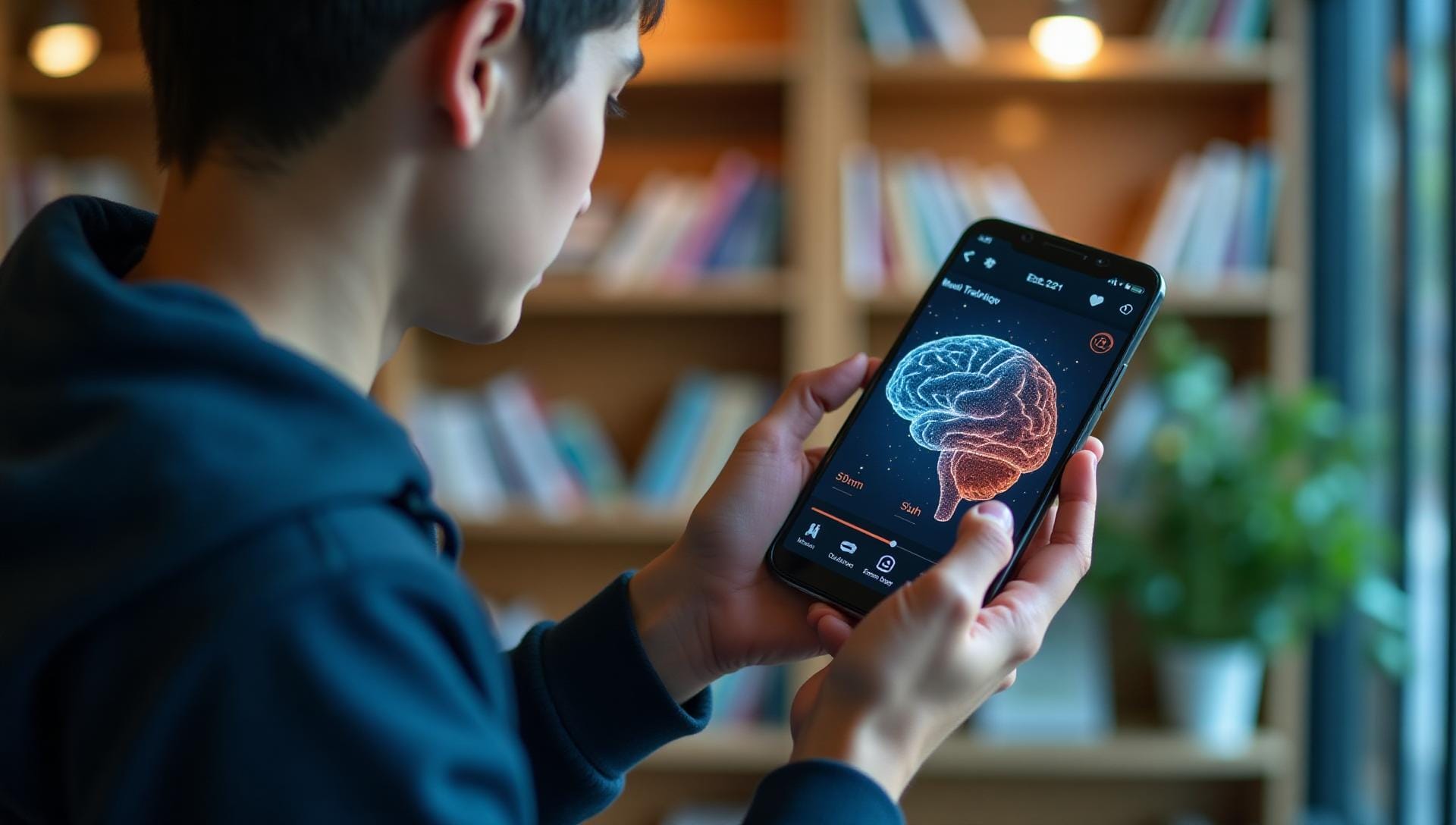
- 2-5 Minute Session: Open BT.
- Instant Coaching: You get actionable coaching.
Why App Blockers Miss the Point
Forest, Cold Turkey, Freedom — these tools block access to distracting apps. They are useful, but they do not address the real problem: your brain has not been trained to resist distraction on its own.
Think of it this way: a blocker is a shield. A trained brain is armor. A blocker protects you while it is active. A brain trained in cognitive inhibition resists distractions even without the technological crutch.
Research by Diamond & Ling (2016, Current Opinion in Behavioral Sciences) is clear: executive functions — including inhibition — are trainable through repeated practice of targeted tasks. This is not willpower. It is neurophysiology.
The Mechanism: Why the Stroop Test Actually Changes Something
When you do a Stroop Test, you see the word "RED" written in blue, and you must name the color (blue) while ignoring the word (red). This is a response inhibition task.
What happens in your brain: the anterior cingulate cortex (ACC) and ventrolateral prefrontal cortex detect the conflict and suppress the automatic response (reading the word) to allow the correct response (naming the color).
Practicing this suppression regularly physically strengthens these circuits. The result: your brain becomes better at ignoring irrelevant stimuli — including an Instagram notification mid-study session.
Building a Measurable Attention Index
The problem with "I feel more focused" is that it is subjective and unreliable. You often feel most confident right after a productive session — not necessarily because you are structurally improving.
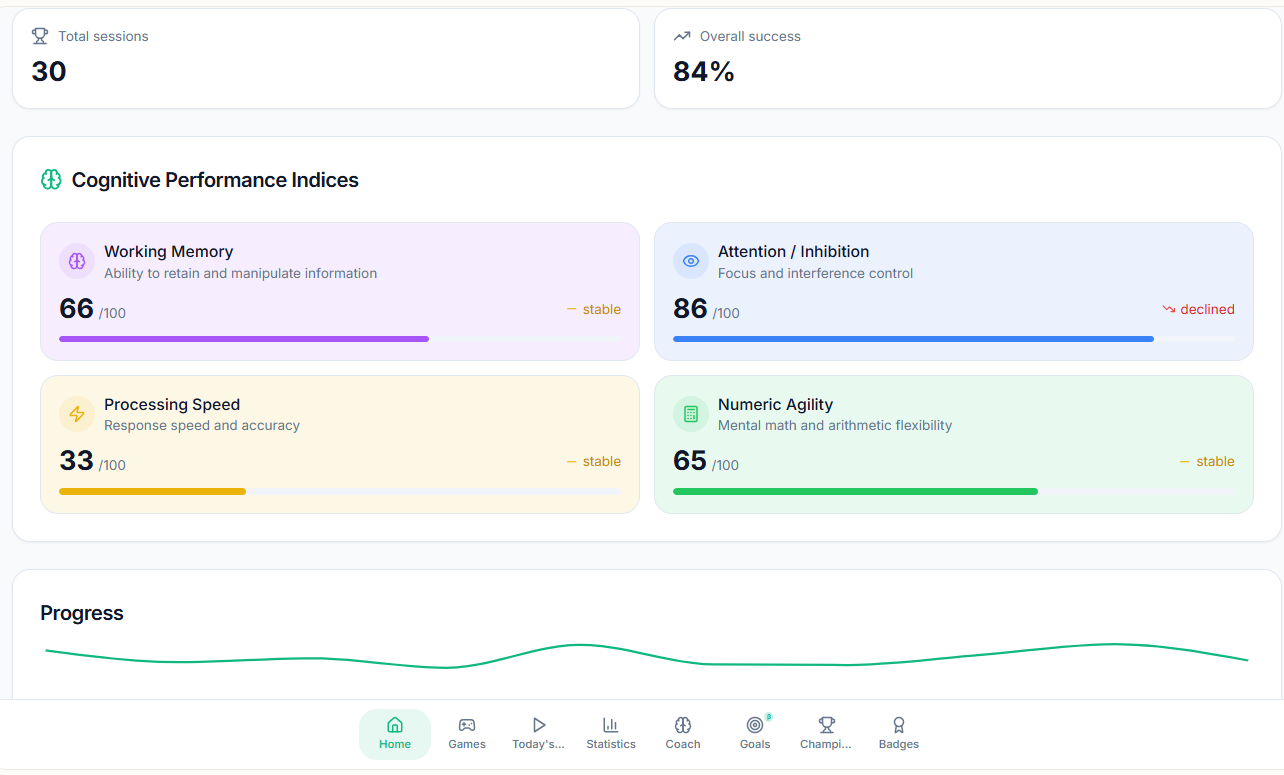
The cognitive indices dashboard measures your attention objectively across 4 dimensions:
- Attention index: based on your Stroop reaction times and inhibition scores
- Speed index: visual processing speed on symbol search exercises
- Memory index: working memory on N-Back sequences
- Numeric index: accuracy under time pressure on calculation tasks
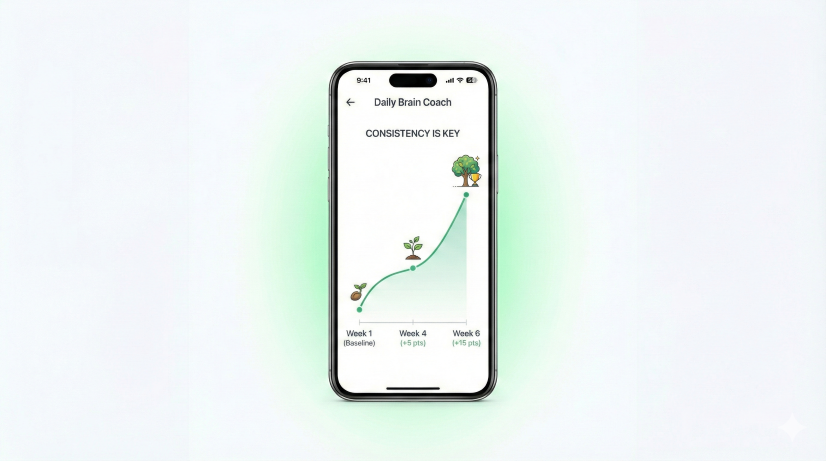
Watching your attention index go from 58 to 72 over 30 sessions is a real data point — not a feeling.
Comparison: Daily Brain Coach vs. Other Methods
| Method | Targets inhibition | Measures progress | Time/day | Transfer to studying |
|---|---|---|---|---|
| App blockers (Forest) | No | No | Passive | Low |
| Meditation apps | Partial | No | 10–20 min | Medium |
| Standard mobile games | No | Raw score | Variable | Very low |
| Daily Brain Coach | Yes | Cognitive indices | 5 min | High |
Start your free session — no account, no credit card.
Conclusion
Stop letting distractions dictate your grades. Ditch the passive methods and start active training. Build your study concentration routine.
Ready to level up your focus?
Start your journey today.